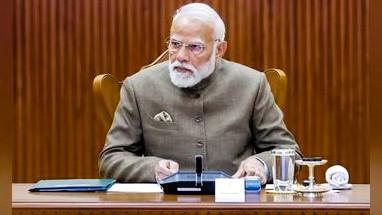
New Delhi: Prime Minister Narendra Modi on Thursday underscored the importance of self-reliance in semiconductor manufacturing, stating that “Made in India” chips will serve as the foundation of the country’s technological strength in the 21st century.
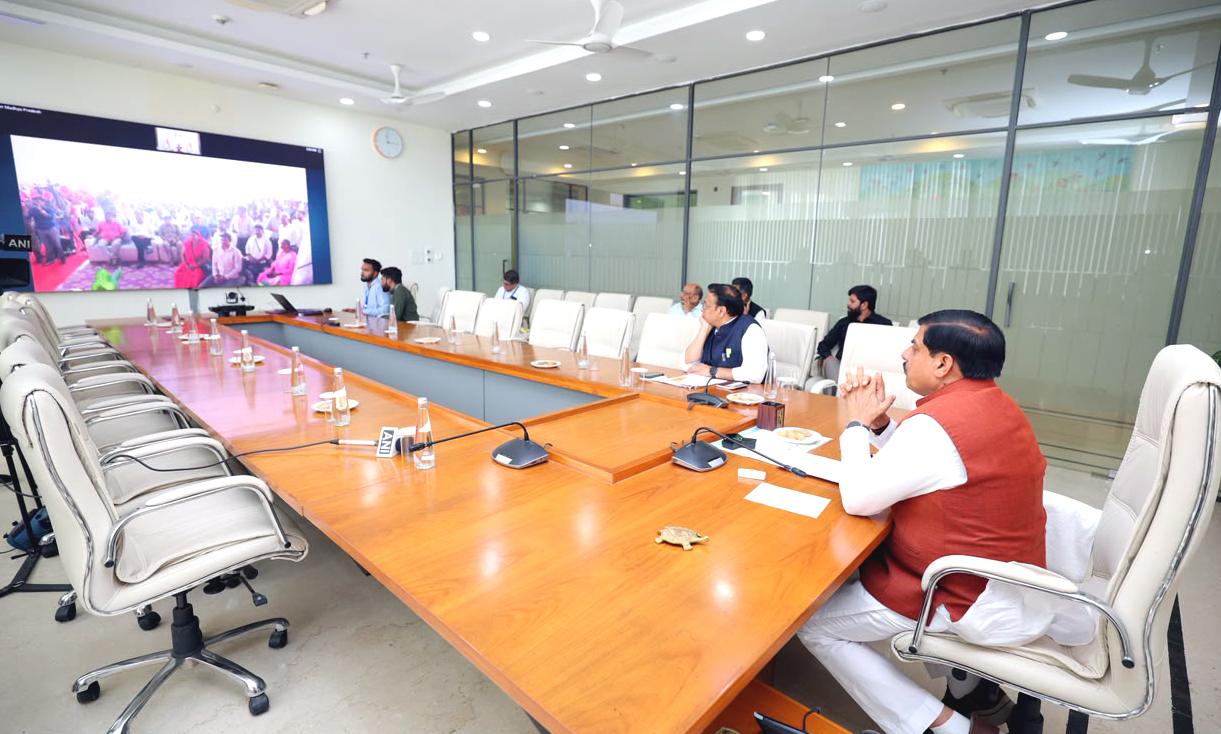
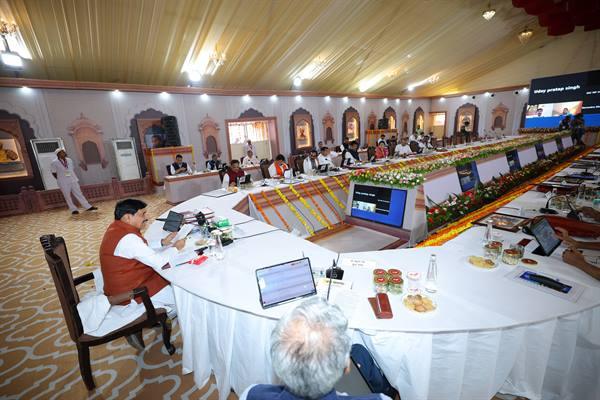
The Prime Minister made the remarks while virtually addressing the foundation stone laying ceremony of India Chip Pvt Ltd, a joint venture between HCL Group and Foxconn.
Highlighting the significance of resilient supply chains, Modi referred to the global disruptions witnessed during the Covid-19 pandemic. He noted that weaknesses in international semiconductor supply networks had led to economic setbacks and halted factory operations across multiple countries. The experience, he said, demonstrated the need for domestic capability in chip manufacturing.
The upcoming Outsourced Semiconductor Assembly and Test (OSAT) facility will be established in Jewar, Greater Noida. The project entails an investment of ₹3,700 crore and is expected to become operational by 2028.
According to official details shared at the event, the plant will have the capacity to produce approximately 3.6 crore chips per month. The facility will manufacture semiconductors used in digital screens and a range of electronic devices.

Emphasising the broader objective, the Prime Minister stated that technological advancement and domestic chip production are critical pillars in India’s journey toward becoming a developed nation. He said strengthening semiconductor manufacturing will enhance the country’s economic resilience and technological independence.
The India Chip Pvt Ltd venture represents collaboration between HCL Group and Foxconn to build advanced semiconductor assembly and testing capabilities within India. The OSAT model focuses on packaging and testing semiconductor chips, an essential step in the chip production process.
Speaking at the event, Union Minister Ashwini Vaishnaw highlighted India’s progress in electronics manufacturing. He stated that the country is now ranked third globally in electronics exports, describing it as an indicator of rapid growth in the sector.

Vaishnaw noted that the expansion of semiconductor and electronics manufacturing capacity will further strengthen India’s position in global supply chains. The minister said the OSAT facility would contribute to building an integrated electronics ecosystem within the country.
During his address, Modi reiterated that the lessons learned during the pandemic had reinforced the importance of reducing dependence on external sources for critical components. He said domestic chip production would play a key role in safeguarding industrial continuity and supporting innovation.
The Jewar facility is expected to generate momentum in the semiconductor ecosystem, complementing other initiatives aimed at expanding electronics manufacturing. By focusing on assembly and testing operations, the project seeks to enhance value addition within the country.
The Prime Minister said that advancing technology and expanding semiconductor production are central to India’s long-term development strategy. He added that fostering indigenous capabilities in critical sectors will help secure economic growth and position India as a leading technology-driven nation.
With operations projected to commence by 2028, the OSAT plant is anticipated to become a significant component of India’s semiconductor infrastructure, contributing to both domestic demand and export potential in the electronics segment.