Jaipur: Rajasthan DGP Rajeev Sharma on Tuesday described fake news as a potent tool of information warfare, cautioning that its rapid spread poses serious risks to public order and individual well-being. He made the remarks during a workshop organised by Rajasthan Police for media professionals at the Nalanda Auditorium of the Rajasthan Police Academy.
The workshop aimed to equip both journalists and law enforcement officers with modern tools to identify misleading content and curb misinformation, particularly through the use of artificial intelligence (AI). Officials said the training focused on helping participants understand how AI-driven tools can detect manipulated content, including deepfakes, which have become an increasing challenge for authorities and the media.

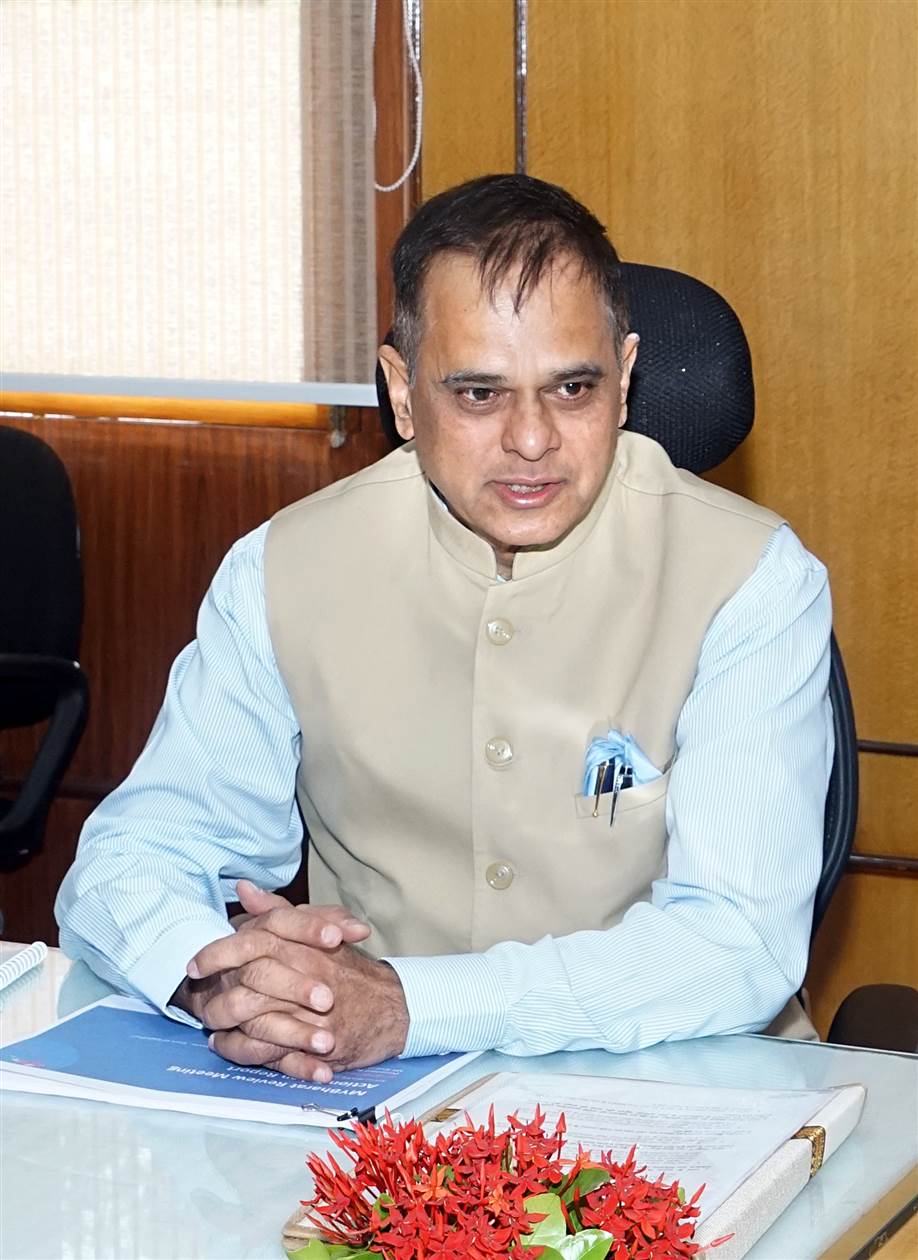
In his inaugural address, DGP Sharma underscored the dangers posed by false information in a digitally connected society. Referring to fake news as a “weapon in modern information warfare,” he highlighted how quickly fabricated content can gain traction online and the potential harm it can cause. He said such misinformation can disrupt law and order, contribute to mental harassment, and even enable financial fraud by misleading unsuspecting citizens.
Sharma cited India’s rapidly growing digital population, noting that the country has more than 9 million internet users, with around 34 per cent active on social media platforms. He expressed concern that many users depend on unverified or misleading content, making them susceptible to misinformation campaigns. Young people, particularly those aged between 18 and 24, he said, are among the most vulnerable and require targeted awareness to navigate the online ecosystem responsibly.
Urging the media to exercise caution, the DGP asked news organisations to rigorously fact-check breaking news before publishing or broadcasting. He warned that rushing to release unverified information can trigger far-reaching consequences. Collaboration between the media and police, he said, is essential for ensuring that accurate information reaches the public, especially during sensitive or volatile situations.
DGP Sharma encouraged the use of technology to strengthen verification processes, saying journalists should not hesitate to reach out to law enforcement when in doubt. “Vigilance and teamwork between the media and police are crucial to ensure that the truth prevails and technology is used for the greater good,” he said.
The workshop brought together media professionals, social media influencers, senior officers of the Rajasthan Police and experts affiliated with the Indian School of Business (ISB). A 10-member ISB team, led by Professor Manish Gangwar and Major Vineet Kumar, conducted sessions on using AI-based tools to detect deepfakes and distinguish between authentic and manipulated content. Participants were introduced to techniques that can identify inconsistencies in videos, audio and images—skills officials said are increasingly important for both journalists and investigators.
Several senior officials attended the event, including Sanjay Agarwal, Director General (Cyber Crime and Law & Order), Sanjib Narzari, Director of the Rajasthan Police Academy and Additional DGP, VK Singh, Additional DGP (Cyber Crime), and Inspector General of Police Ajay Pal Lamba. Deputy Inspector General Kunwar Rashtradeep and district SPs Rashi Dogra and Shantanu Singh were also among the attendees. A large number of police personnel participated as part of the department’s effort to strengthen its own capacity to respond to digital threats.
Officials noted that the workshop is part of a broader initiative by Rajasthan Police to address challenges posed by misinformation, deepfakes and digital deception. By enhancing coordination between the media and law enforcement, they said, the state hopes to create a more resilient information environment and foster public trust.