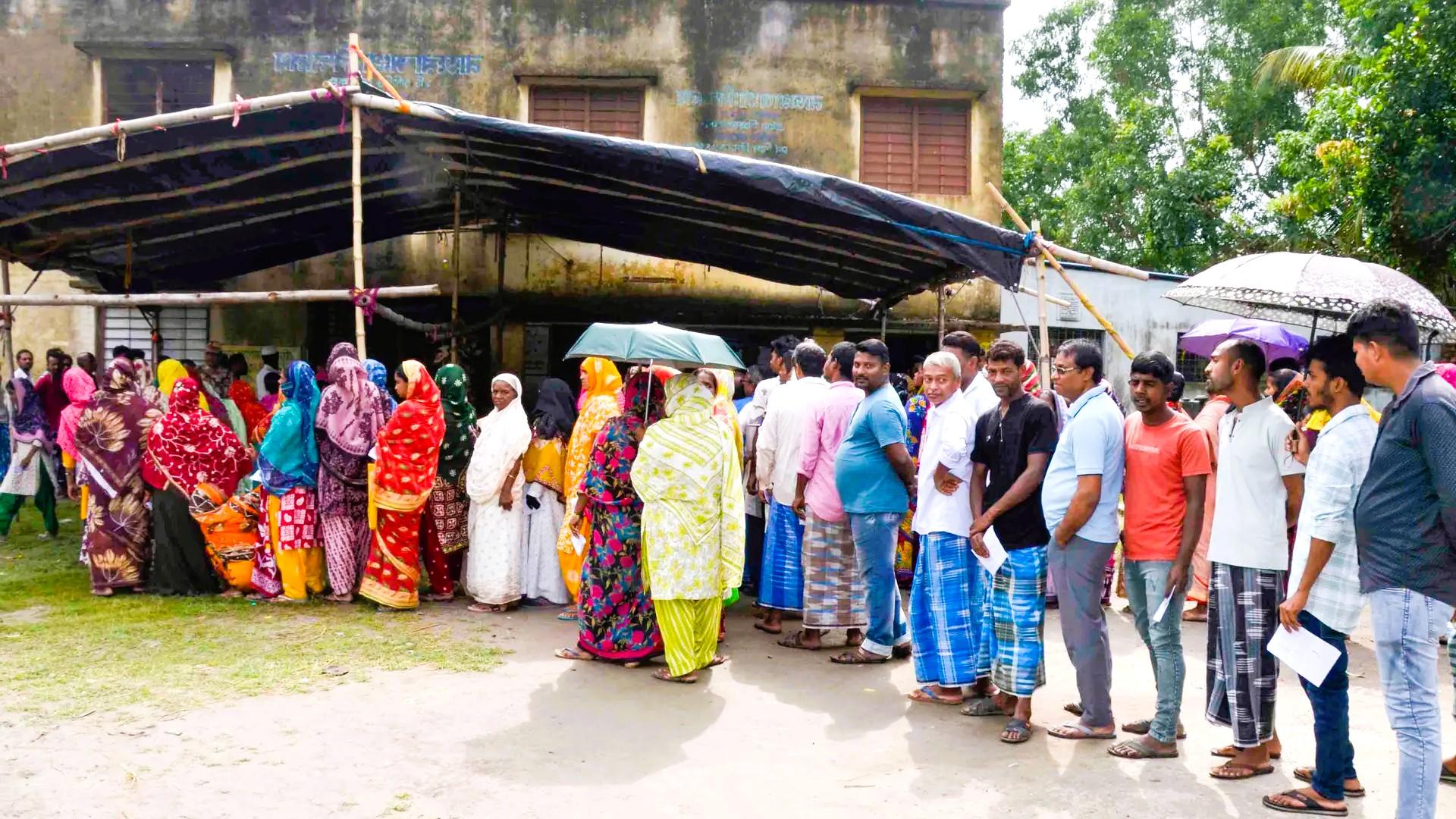
New Delhi: Voting across four major states—Tamil Nadu, Kerala, West Bengal and Assam—has concluded, with participation from nearly 25 crore voters in what is being seen as a significant electoral exercise.
As the country awaits official results, early indicators suggest a contest shaped by both regional priorities and national political narratives. The elections are being viewed as a key test of voter preferences between state-level governance models and broader national agendas.
In West Bengal, voter participation reached a high of 92.93 per cent, reflecting strong engagement in the electoral process. Chief Minister Mamata Banerjee and her party, the All India Trinamool Congress, are seeking a fourth consecutive term while facing a strong challenge from the Bharatiya Janata Party.
The contest in the state has drawn attention due to the close nature of the competition, with both sides relying on distinct strategies. While the ruling party has emphasised welfare initiatives and grassroots outreach, the opposition has focused on governance-related issues.
In Tamil Nadu, turnout reached 85.1 per cent, marking another high level of participation. The political landscape in the state has seen the entry of actor Vijay’s party, the Tamilaga Vettri Kazhagam, adding a new dimension to the traditionally two-party contest.
Chief Minister M.K. Stalin and the Dravida Munnetra Kazhagam are seen as leading contenders, while the emergence of a third political force has introduced additional competition in certain regions.
Kerala’s elections have focused on governance and economic concerns, with the ruling Left Democratic Front, led by Chief Minister Pinarayi Vijayan, seeking another term. The United Democratic Front, led by the Congress, is also a key contender.
The contest in Kerala is closely watched due to its potential implications for both state politics and broader national dynamics. The results are expected to reflect voter responses to issues such as employment and economic opportunities.

In the Northeast, Assam has witnessed a different trend, with the National Democratic Alliance, led by Chief Minister Himanta Biswa Sarma, appearing to maintain a strong position.
The opposition alliance, led by the Congress, has sought to challenge the ruling coalition, but early projections indicate that the NDA could retain its influence in the state.
Overall, the elections across these four states highlight the diverse political landscape of India, with varying factors influencing voter decisions in different regions.
High voter turnout across all states indicates strong public participation and interest in the electoral process. The results are expected to shape political strategies and alliances in the coming years.
As counting approaches, attention remains focused on how these outcomes will influence both regional governance and national political developments.