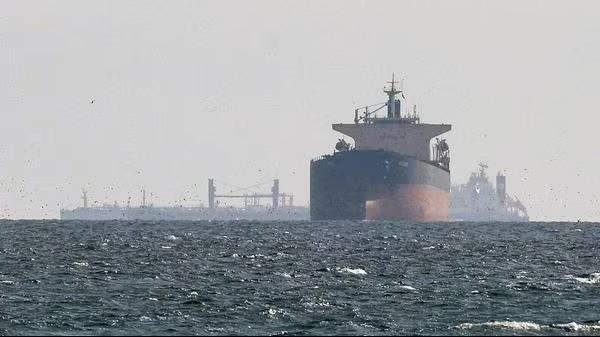
New Delhi: Iran has allowed India and a group of select countries to continue using the strategically vital Strait of Hormuz for commercial shipping, even as tensions escalate in West Asia.
The countries granted access include India, China, Pakistan, Russia and Iraq. At the same time, Iran has restricted passage for nations it considers hostile, reflecting the heightened geopolitical environment in the region.

The Strait of Hormuz remains one of the most critical global trade routes, with nearly 20 per cent of the world’s oil and liquefied natural gas (LNG) supplies passing through it. Any disruption in this corridor has immediate implications for global energy markets and international trade.
The ongoing conflict in West Asia has already led to an increase in energy prices, raising concerns for countries that rely heavily on imports. India, in particular, is closely monitoring developments due to its dependence on energy supplies from the region.
Officials said that Iran is also considering introducing shipping fees for vessels passing through the strait. If implemented, this could effectively convert the route into a toll-based passage, potentially increasing transportation costs for global trade.

Such a move may have broader economic implications, as higher shipping costs could translate into increased prices for energy and other commodities. Market participants are closely watching the situation for further developments.
The selective access policy adopted by Iran highlights the evolving geopolitical dynamics in the region. By allowing certain countries to continue operations while restricting others, Iran appears to be managing access based on diplomatic and strategic considerations.
India has stepped up diplomatic engagement to ensure uninterrupted access to energy supplies and to safeguard its fuel security. Officials indicated that efforts are underway to maintain stable supply chains despite the volatile situation.

The government is also assessing potential risks associated with increased shipping costs and possible disruptions. Ensuring continuity in energy imports remains a priority, given the importance of the Strait of Hormuz for India’s oil and gas requirements.
The situation has added to existing concerns about global energy stability, as tensions in West Asia continue to affect supply routes. Analysts warn that prolonged uncertainty could lead to sustained volatility in energy markets.
India’s approach focuses on maintaining diplomatic channels and securing access to critical resources while adapting to changing conditions in the region. Authorities are expected to continue monitoring the developments closely.
The evolving scenario in the Strait of Hormuz underscores its strategic importance and the far-reaching impact of regional conflicts on global trade and energy security.