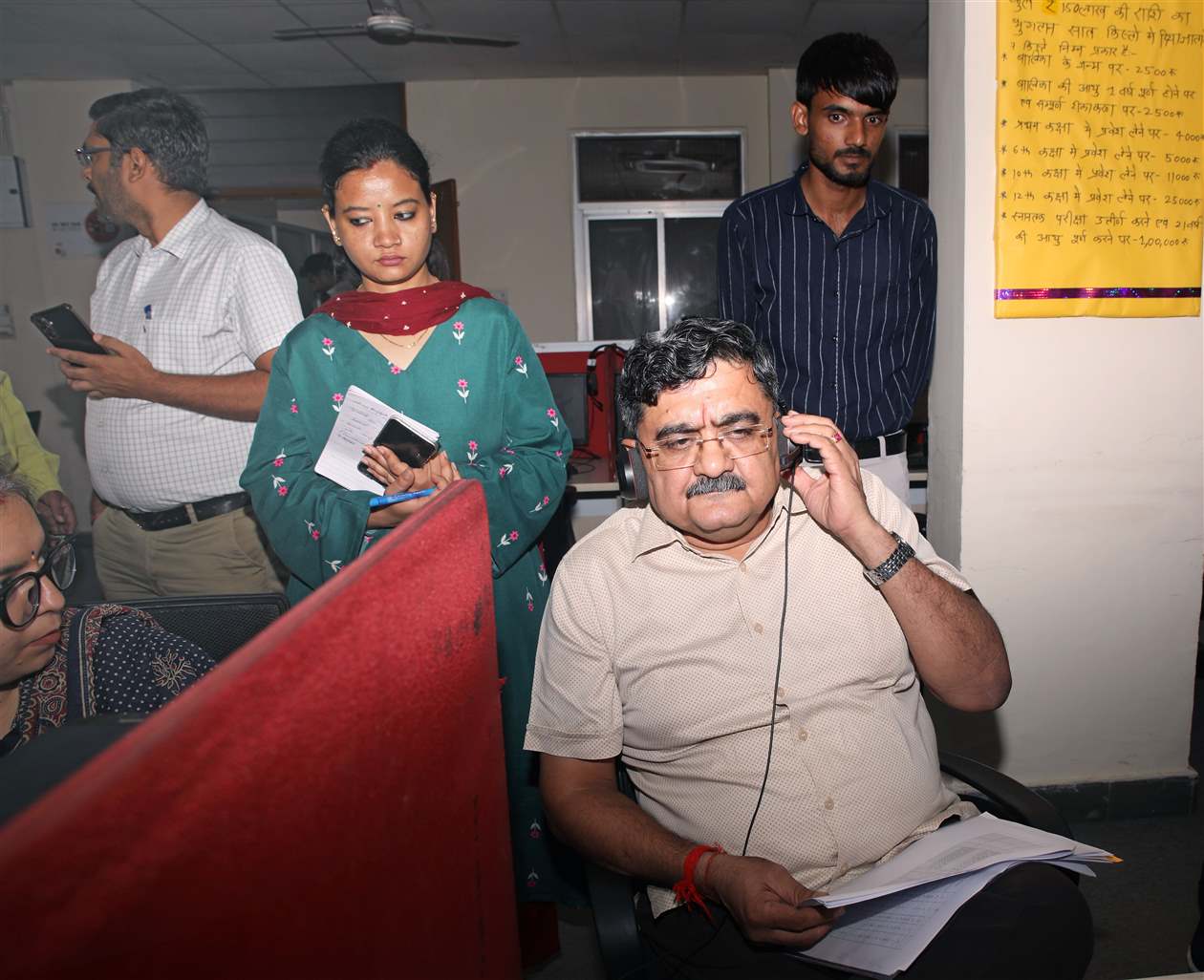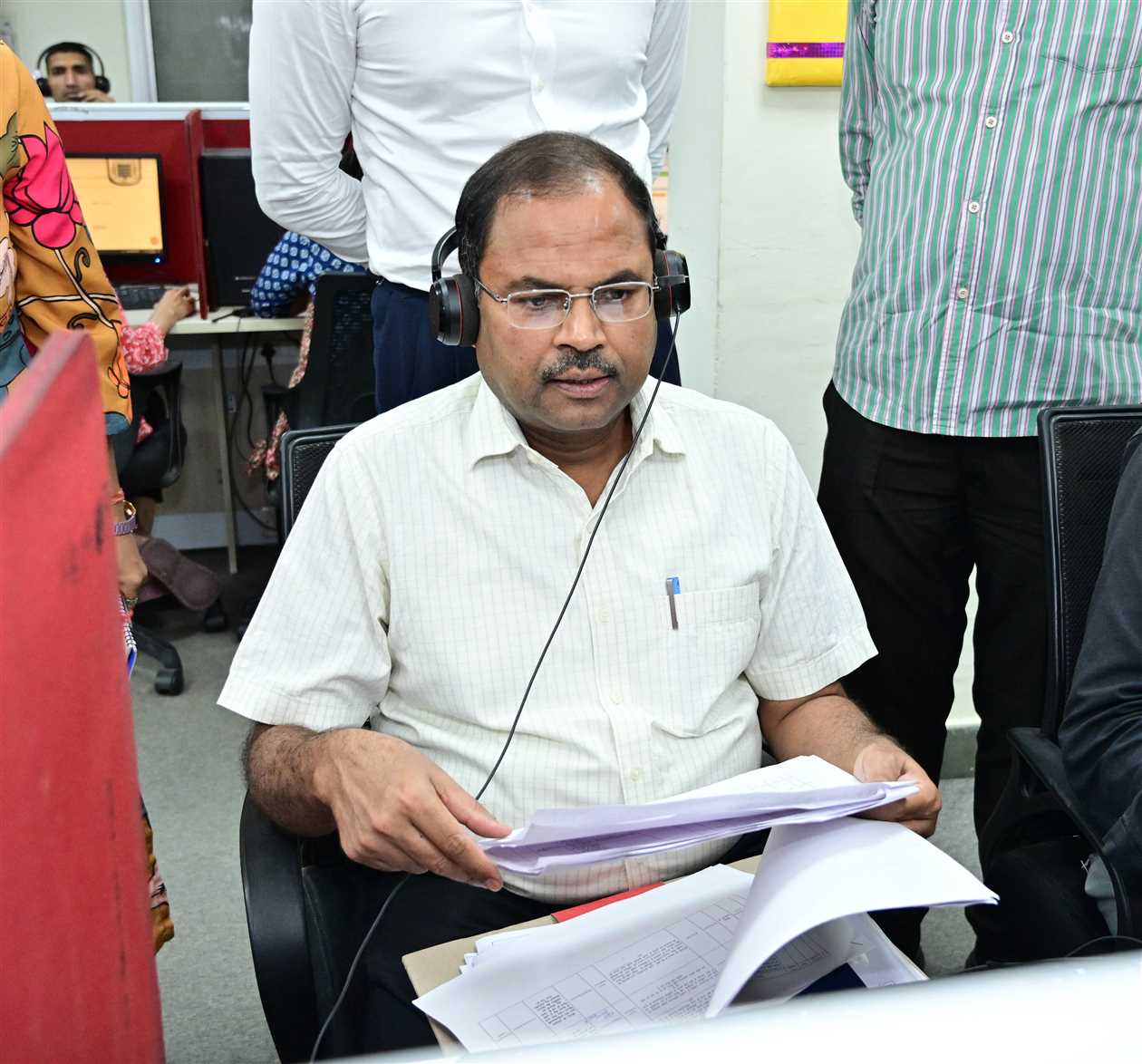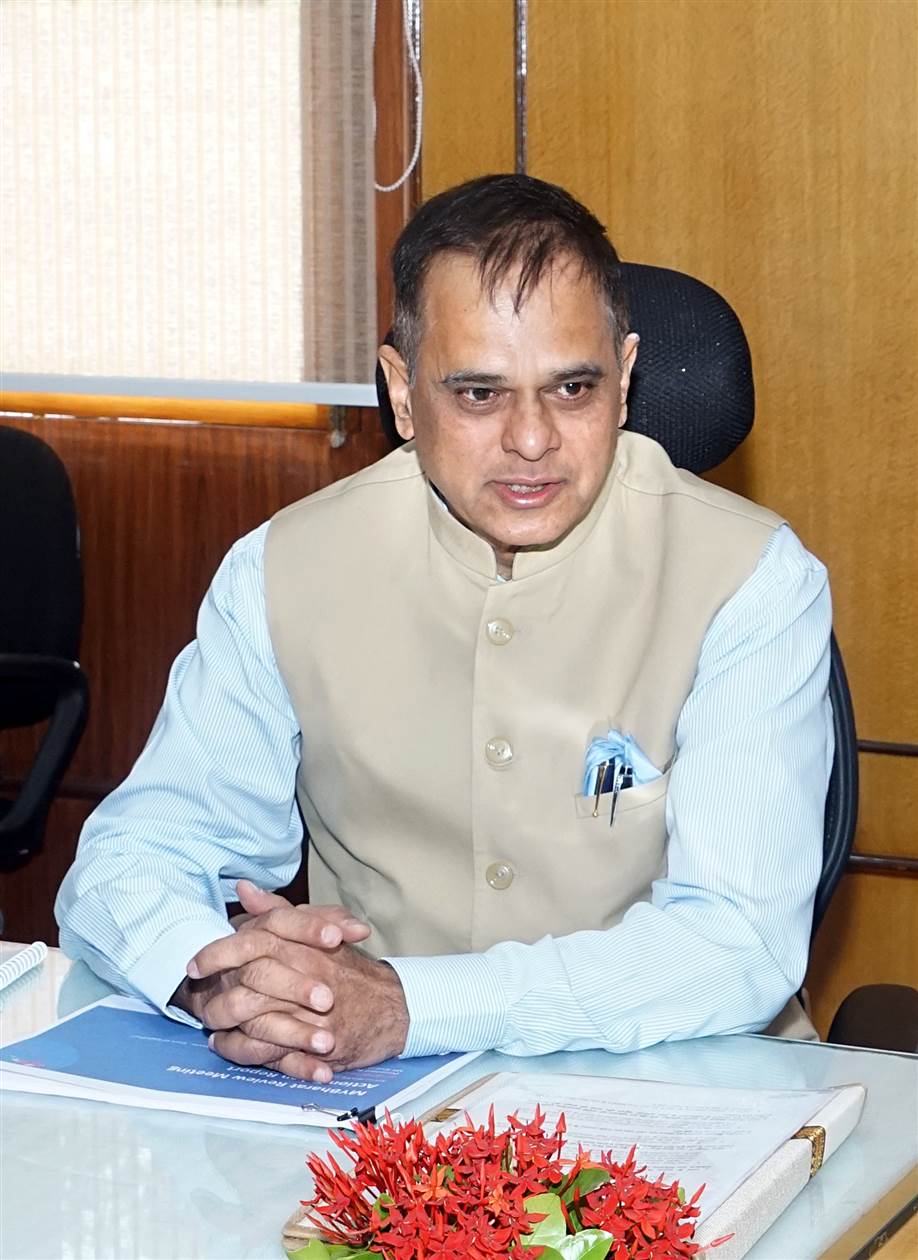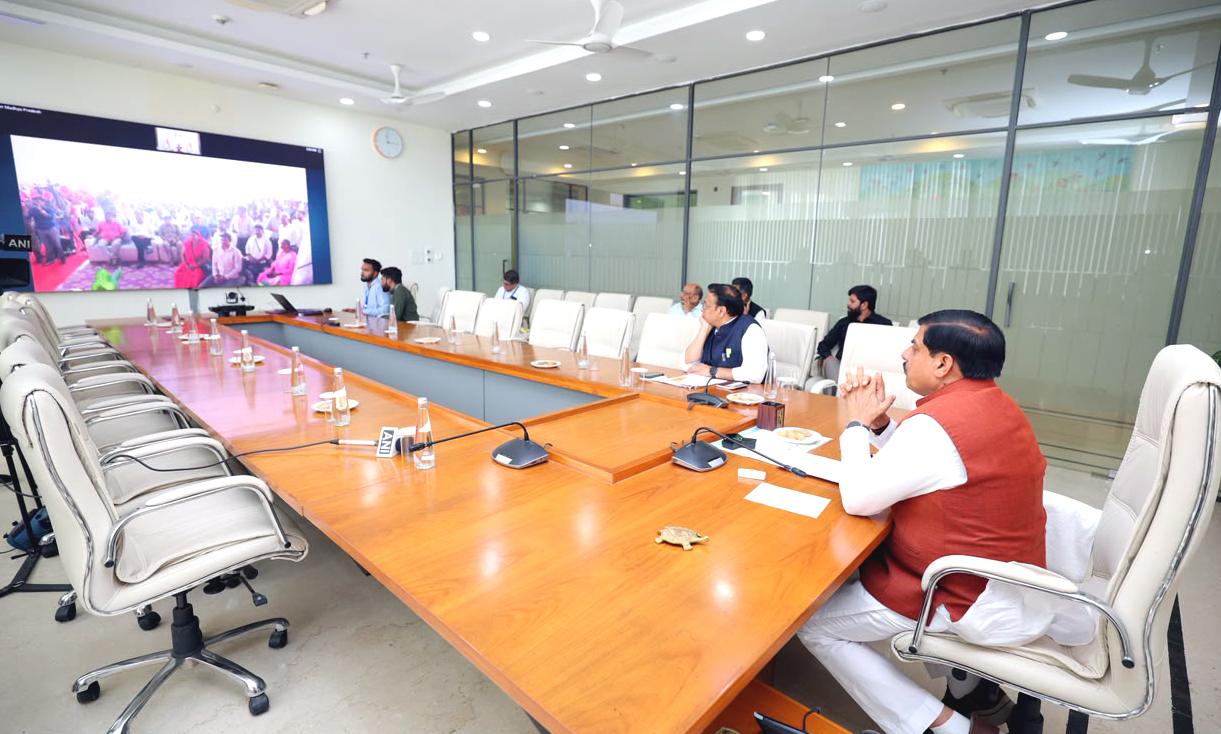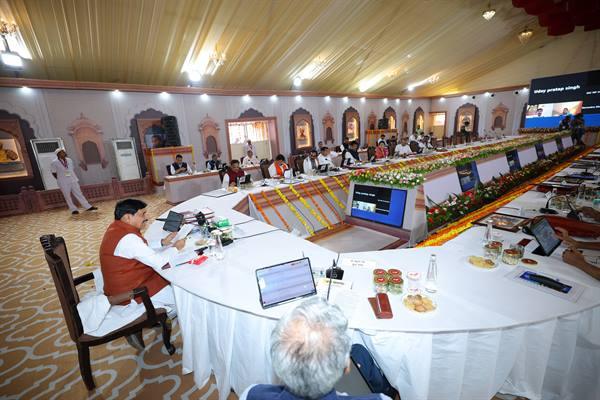
JAIPUR: Aligning with Chief Minister Bhajan Lal Sharma’s vision of good governance and under the direction of Urban Development and Local Self Government Minister Jhabar Singh Kharra, the Jaipur Development Authority (JDA) has significantly accelerated its public grievance redressal mechanism. The JDA’s daily public hearing (Jansunwai) system has emerged as an effective medium to strengthen trust, dialogue, and accountability between citizens and the administration.
Driven by a commitment to planned urban development and the rapid, transparent resolution of public issues, the initiative involves a dedicated task force. Approximately 200 JDA officials and personnel are directly engaging with citizens daily to ensure the time-bound disposal of grievances on a priority basis.

As a direct result of this aggressive administrative push, over 17,000 cases have been heard in just one and a half months. To further enhance accessibility, the authority also conducted e-hearings for nearly 500 cases.
Remarkable Resolution Statistics
The daily statistics reflect the consistent operational scale of the initiative. According to official JDA data:
- June 2026: Approximately 10,000 cases were heard.
- July 2026 (Till Date): Nearly 7,000 cases have been addressed.
- Recent Spike: Between July 13 and July 17 alone, the authority heard 2,325 cases in just five days, initiating immediate necessary actions.
JDA Commissioner Siddharth Mahajan emphasized that the authority’s objective is not merely to dispose of complaints on paper, but to ensure permanent solutions with sensitivity, transparency, and strict adherence to quality and timelines.
“When a citizen’s problem is resolved on time, it does more than just clear an application; it fundamentally strengthens their faith in the governance system,” Mahajan stated. He has issued strict directives to all officials to examine each case thoroughly so citizens are not forced to make repeated rounds of government offices.
Tech-Driven Monitoring and the ‘Samvad’ Initiative
To eliminate administrative bottlenecks, the JDA has integrated digital tracking and tech-based monitoring systems into the public hearing framework. The progress of every single case is continuously monitored, ensuring absolute transparency and speed.
Running parallel to the daily hearings is the JDA’s “Samvad” (Dialogue) program. Through this initiative, the authority maintains regular, structured communication with social organizations, public representatives, Resident Welfare Associations (RWAs), trade unions, and other key stakeholders.
By taking prompt and quality action on the suggestions received during these sessions, the JDA is ensuring that Jaipur’s urban development remains a highly participatory and citizen-centric process.