India has unveiled a major regulatory measure that requires all popular messaging applications to remain tied to an active SIM card. The directive, issued by the Department of Telecommunications (DoT) on November 28, 2025, has ignited intense debate in the country’s tech and communications space.
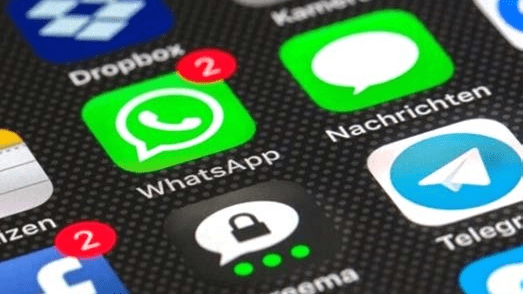
Under the order, apps such as WhatsApp, Telegram, Signal, Arattai, Snapchat, ShareChat, JioChat and Josh will only be allowed to function if the SIM card used during the initial registration is physically inserted in the device. If the SIM is removed or replaced, the app must automatically stop working. The directive also mandates periodic logouts from web or desktop versions at least once every six hours, requiring a fresh QR-based login each time.

Operators of these platforms must implement the changes within 90 days and submit compliance updates within 120 days. Any refusal or delay may result in action under telecommunications and cyber-security laws.
Government’s Justification: Curbing Digital Fraud
The central government has argued that the new rule is essential to strengthen traceability in the digital ecosystem. According to officials, many messaging apps continue functioning even after the original SIM is no longer active, creating an opportunity for anonymous cybercrimes using disconnected or fraudulent numbers.

With financial and digital fraud cases rising sharply — including large cross-border scam networks — the government believes each active messaging account must be linked to a verified mobile number that has undergone mandatory KYC checks.
Authorities insist that the change will not affect ordinary users who travel with their SIM cards in their phones. The focus, they say, is on shutting down loopholes exploited by criminals who operate messaging accounts using numbers no longer traceable to them.
Telecom operators have strongly backed the directive. They argue that SIM-linked communication will boost national security, minimize scam risks and discourage anonymity-based offences. They have pledged to support the rollout fully.

Tech Industry Concerns: Overreach & User Disruption
However, digital platforms and technology advocacy groups see the move very differently. The Broadband India Forum (BIF), which represents major global tech companies, has called the directive excessive and misaligned with existing law. It maintains that OTT (over-the-top) messaging services are governed under IT regulations and should not be subjected to telecom-centric controls.
Argument from the tech industry centers on four major concerns:
Jurisdiction Conflict
They claim the Telecom Act does not grant DoT authority to impose operational requirements on internet-based apps.
User Inconvenience
Travellers using Indian numbers overseas on Wi-Fi, multi-device users, elderly users and professionals who rely on desktop apps may face frequent service interruptions.
Technical Practicality
Implementing constant SIM authentication, especially with eSIMs, dual-SIM phones and iOS restrictions, could require major redesigns.
Effectiveness Doubts
Fraud linked to poorly verified SIM cards may still continue despite SIM binding, limiting the policy’s real impact.
BIF has urged the government to delay deadlines, conduct wider consultation and form a technical group to evaluate solutions that balance cybersecurity with user convenience.
Bigger Battle Over Digital Governance
Beyond the technical dispute, experts say the clash points to deeper issues:
- Who should regulate digital communication — telecom authorities or the IT ministry?
- How far should the government go in enforcing traceability?
- Can security be strengthened without compromising practical usability and privacy?
The government sees the move as necessary to combat sophisticated fraud and protect citizens. Critics argue it risks over-regulating and inconveniencing millions of genuine users while offering only limited gains against criminal networks.
With deadlines approaching, the future of the directive may depend on whether the government chooses to hold wider consultations or enforce strict compliance timelines. The outcome is likely to shape India’s next phase of digital regulation — and determine how the balance between national security and user rights evolves in the years ahead.