New Delhi / Kolkata: The Trinamool Congress (TMC) intensified its criticism of the Election Commission of India (ECI) on Friday, holding Chief Election Commissioner Gyanesh Kumar accountable for the reported deaths of booth‑level officers (BLOs) engaged in the ongoing Special Intensive Revision (SIR) of electoral rolls. The opposition party alleged that excessive workload and stress caused during the verification process have led to fatalities and demanded accountability from the poll body.
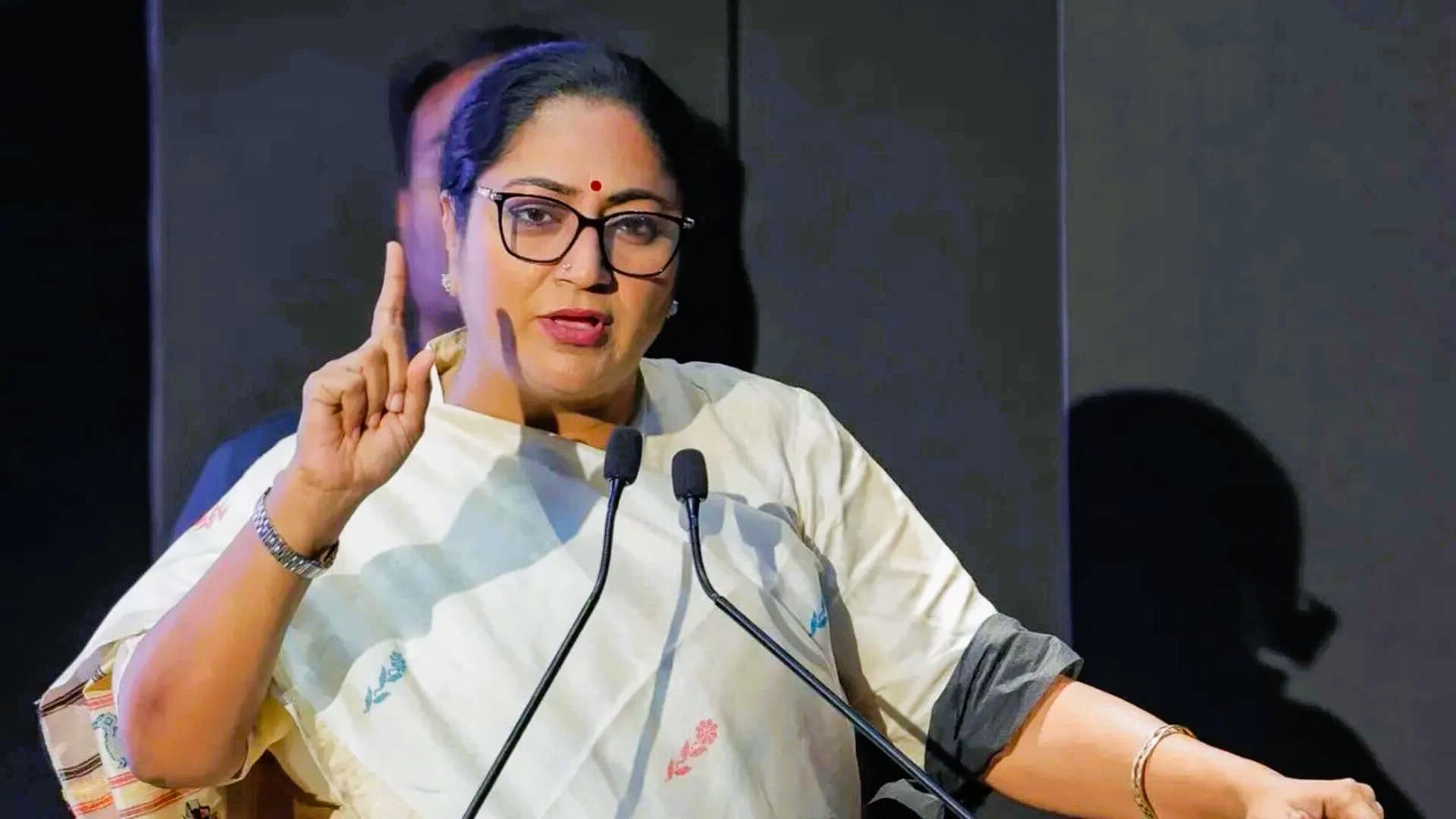
A delegation of 10 TMC Members of Parliament met the full bench of the Election Commission in the national capital to register their concerns. The team, led by Rajya Sabha MP Derek O’Brien, submitted a list of BLOs who allegedly lost their lives while on duty during the SIR exercise. Addressing the media after the meeting, O’Brien made strong remarks, stating that his party held the Chief Election Commissioner personally responsible for the deaths.
“We began the meeting by saying that the Chief Election Commissioner has blood on his hands,” O’Brien claimed. He further stated that the party posed five formal questions to the Commission regarding worker safety, deployment protocols and stress‑related risks during the voter verification programme, but according to him, none of the concerns received a direct reply.
Among the delegation members were MPs Mahua Moitra, Satabdi Roy, Kalyan Banerjee, Pratima Mondal, Dola Sen, Mamata Thakur, Saket Gokhale and Prakash Chik Barik. The party said the situation required urgent intervention to ensure no further casualties occur during the rollout of the national electoral update.
The controversy has been fuelled by the recent deaths of two primary school teachers serving as BLOs — one in Mehsana, Gujarat, and another in West Bengal’s Murshidabad district. Both deaths reportedly involved cardiac arrests. Family members and government employee bodies have attributed the incidents to increased workload and long hours linked to the ongoing revision of the voting register.
West Bengal Chief Minister and TMC leader Mamata Banerjee has repeatedly criticised the Election Commission’s approach to the exercise, calling the operational planning “inhumane and unscientific.” She has alleged that teachers and ground‑level staff have been burdened with responsibilities beyond their physical capacity, particularly when many are simultaneously handling regular duties.
The ECI, in response, has firmly rejected the accusations. Officials dismissed the claims as “mere allegations” and cautioned the TMC against issuing statements that could be perceived as intimidation or political pressure on election authorities. The Commission reiterated that the Special Intensive Revision is a routine administrative process necessary to ensure voter list accuracy ahead of upcoming elections.
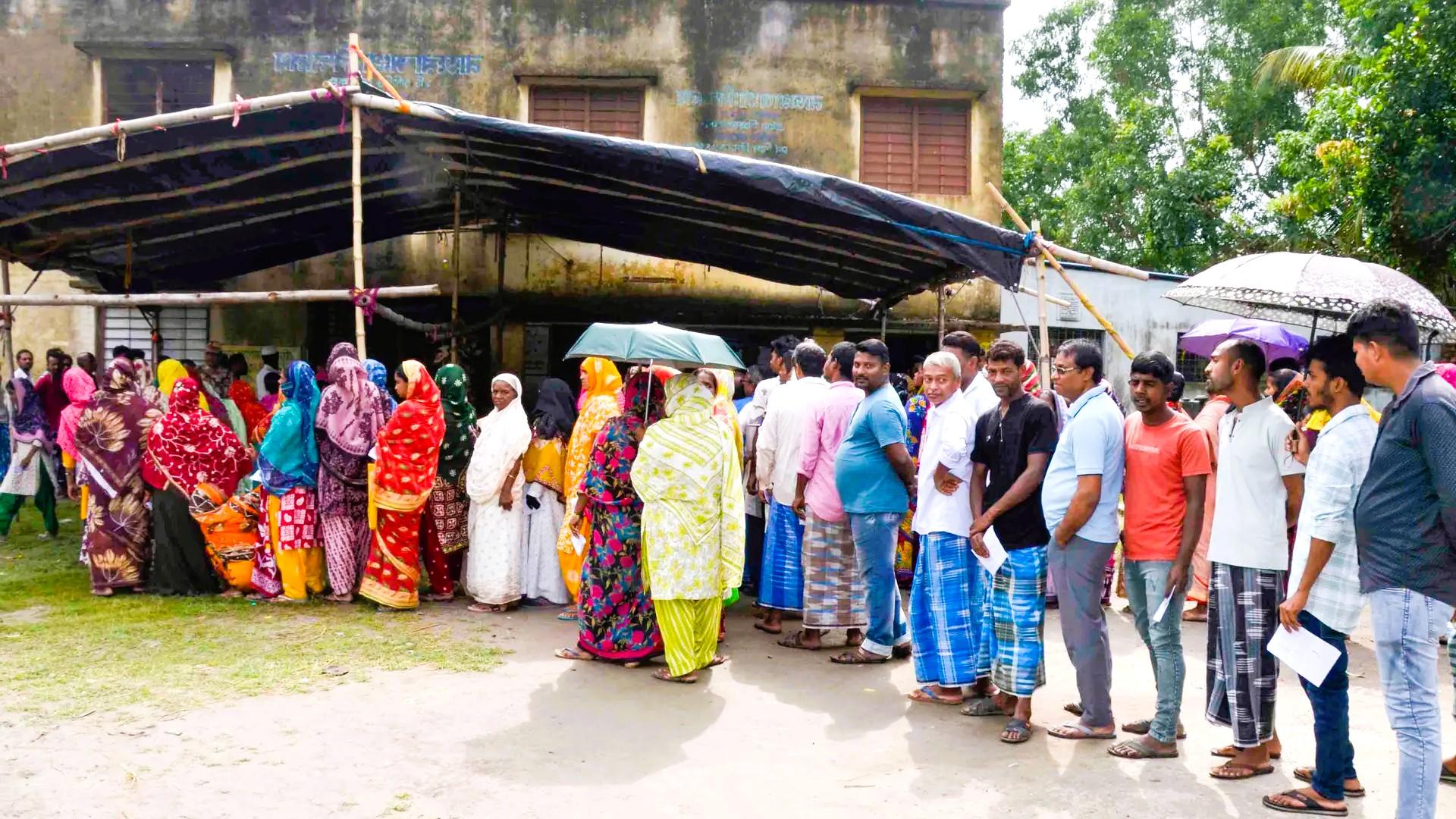
The SIR exercise is currently being conducted across 12 states and Union Territories as preparations intensify for major electoral cycles in 2026. BLOs have been tasked with verifying voter details through door‑to‑door checks and data validation procedures, which are standard components of the nationwide effort.
Despite the strong political exchange, the Election Commission has not indicated any changes to the ongoing programme, and the TMC has signalled that it will continue to push for enhanced protections and monitoring of staff involved in the mandatory duties.
As the revision drive progresses, the dispute remains a point of conflict between the ruling party in West Bengal and the country’s top election authority. With heightened scrutiny on accountability, operational planning and worker well‑being, the matter is expected to remain in focus as the national electoral cycle approaches.