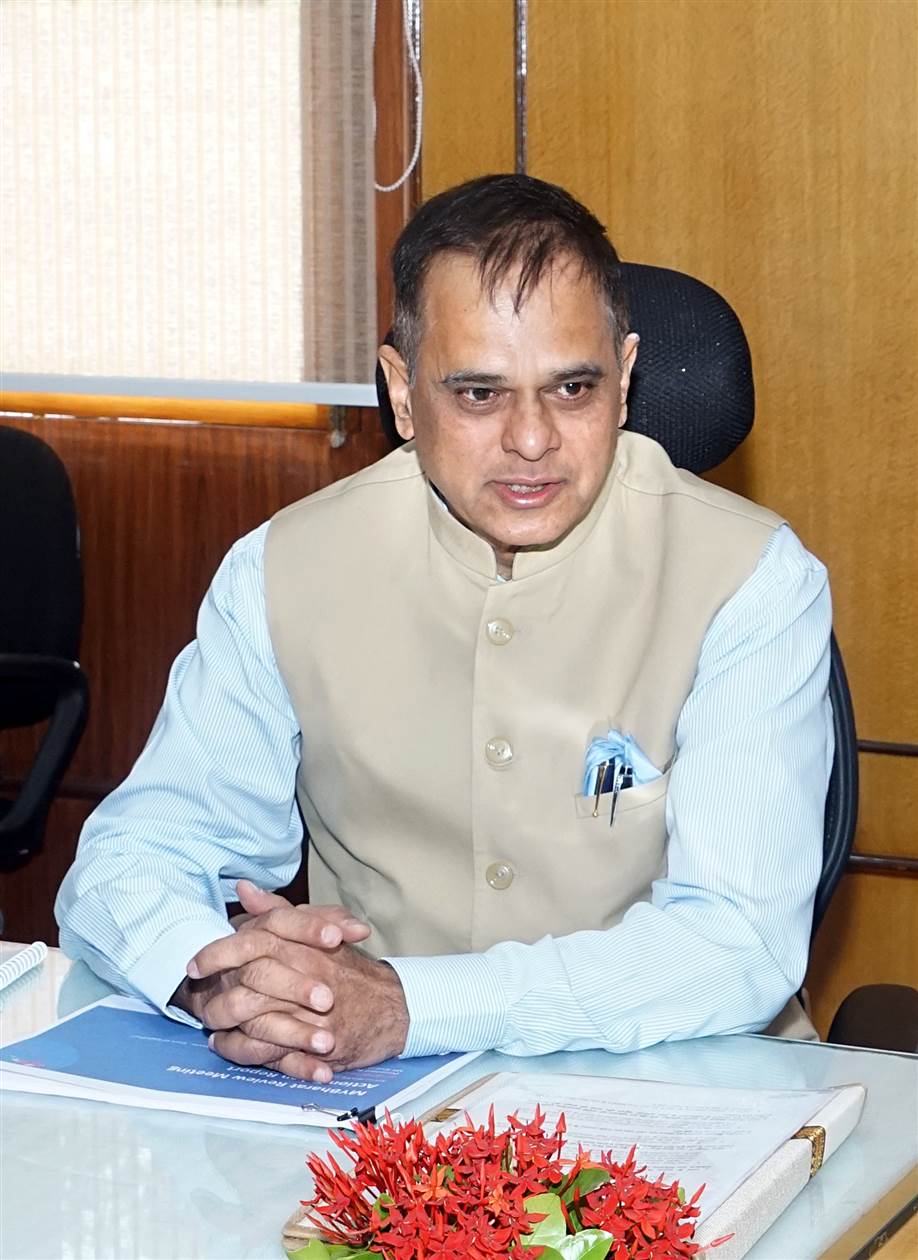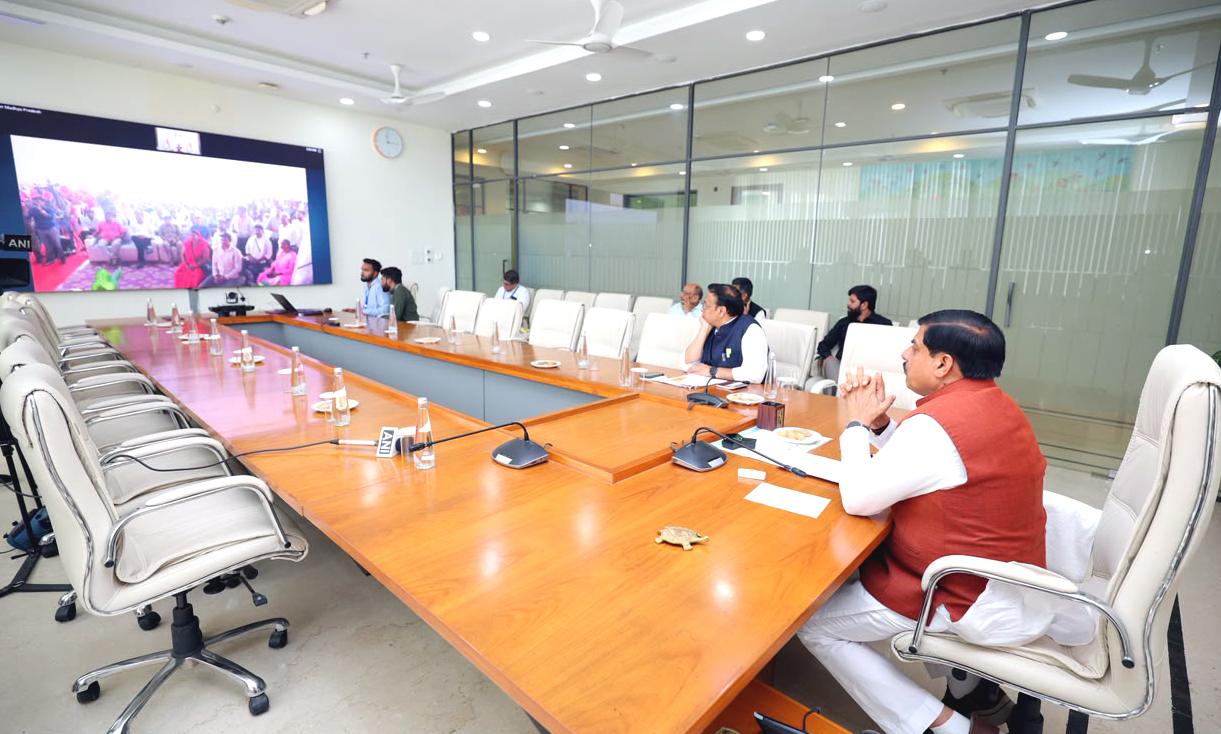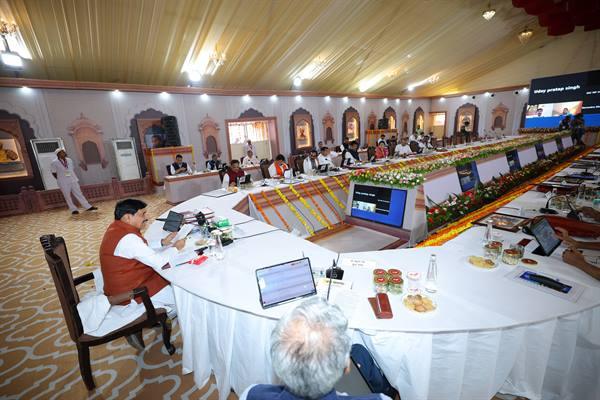
Jaipur: Rajasthan Chief Secretary V. Srinivas announced on Friday that the Jal Jeevan Mission has regained momentum across the state. During a comprehensive review meeting with district officials in Jaipur, he outlined plans for a phased ‘Jal Arpan’ initiative in approximately 2,500 villages by August 15, aiming to transfer completed rural water supply schemes to local communities for sustainable operation.
Focus on Community Ownership
Under the leadership of Chief Minister Bhajan Lal Sharma, the ‘Jal Arpan’ program will formally hand over eligible drinking water projects to Gram Panchayats. This transition is designed to strengthen community ownership, local maintenance, and public participation in rural water management.

To facilitate this, Srinivas directed officials to expedite the financial closure of 1,212 schemes spanning 2,583 villages. He stressed that a mandatory 15-day successful trial run must be completed for every scheme before the handover. Authorities must also finalize all technical inspections, water quality tests, and other necessary formalities prior to the official transfer to local bodies.
Monitoring and Implementation Tracking
To ensure transparency and administrative efficiency, the Chief Secretary ordered accelerated reporting and certification for ‘Har Ghar Jal’ (Water to Every Household) initiatives. He mandated the 100 percent generation of Sujalam Bharat IDs and the timely uploading of District Improvement Plans (DIP) on the central monitoring portal.
Furthermore, District Water and Sanitation Mission (DWSM) committees have been instructed to hold regular meetings to track progress on the ground. Srinivas also emphasized the need for rigorous third-party quality inspections to maintain infrastructure standards and prevent technical failures.
Ensuring Long-Term Functionality
The ultimate goal of the Jal Jeevan Mission extends beyond building infrastructure to guaranteeing long-term functionality and a quality drinking water supply. To achieve this, officials must enroll ‘Nal Jal Mitras’ (community water service volunteers) through Gram Panchayats and conduct routine water quality testing using Field Test Kits.
The effective execution of the Comprehensive Improvement and Implementation Plan (CIRP) and continuous district-level reviews are vital for meeting target deadlines.
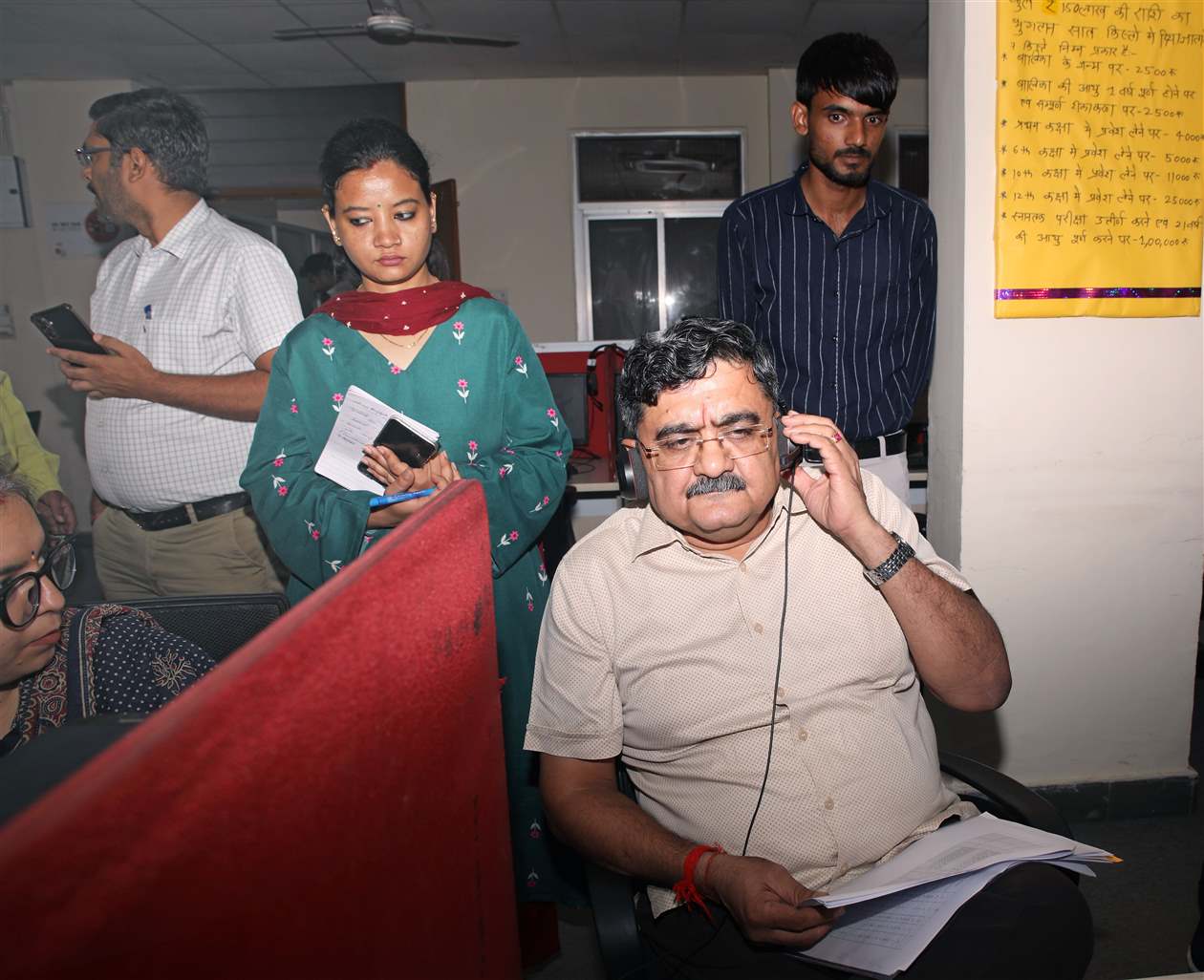
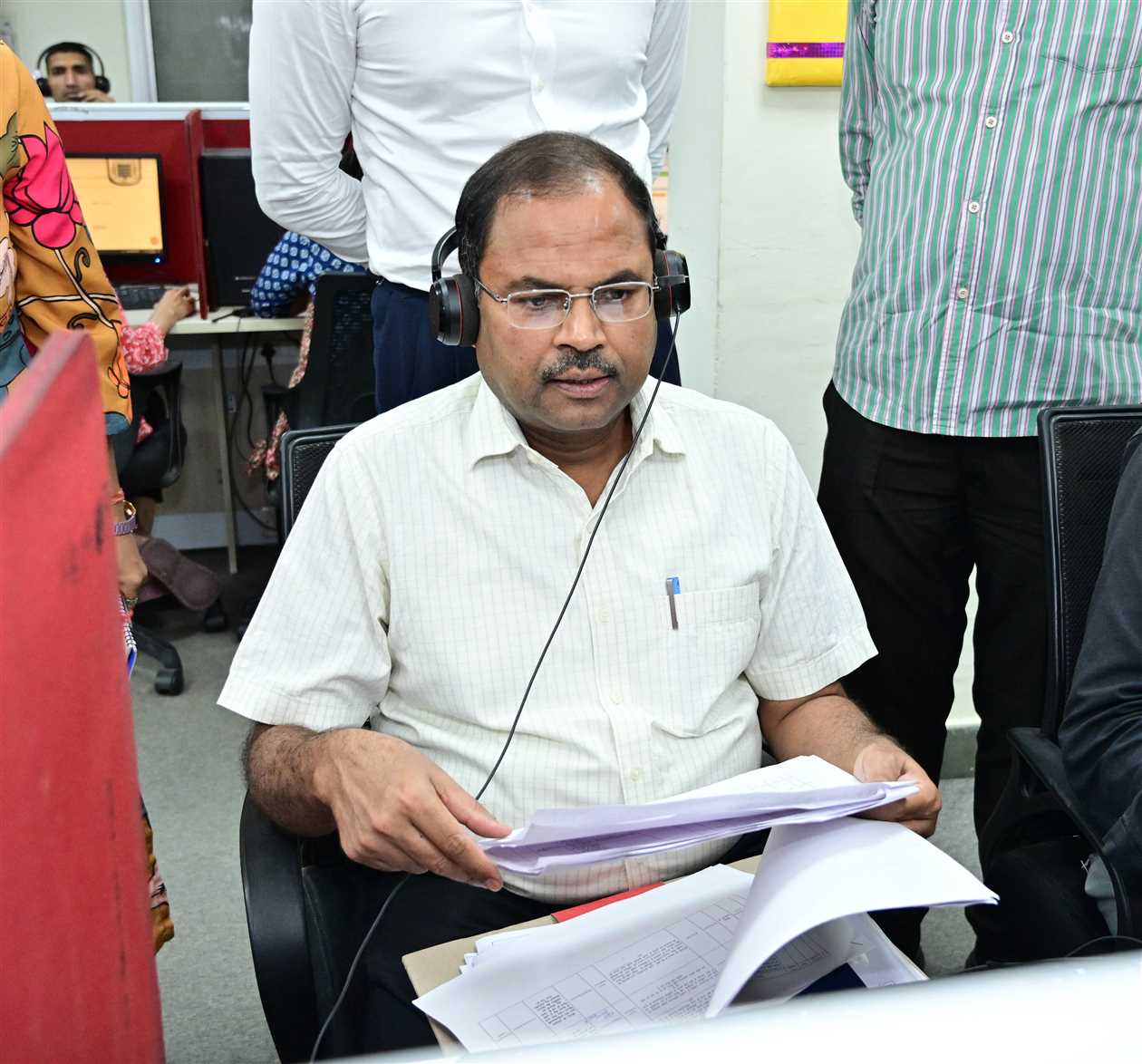
The high-level meeting was attended by the Principal Secretary of the Public Health Engineering Department (PHED) and the Jal Jeevan Mission Director. District Collectors and Zila Parishad Chief Executive Officers (CEOs) participated via video conferencing, marking a coordinated push to secure Rajasthan’s rural water future.