Bengaluru: MiniMines Cleantech Solutions, a Bengaluru‑based clean‑technology startup, has signed a Memorandum of Understanding (MoU) with the Karnataka government to establish a large‑scale critical minerals refinery in the city. The investment of ₹350 crore is aimed at strengthening India’s emerging electric vehicle (EV) ecosystem and supporting other high‑growth industries such as aerospace, defence and renewable power.
The proposed Giga Critical Minerals Refining Complex will focus on the processing and recycling of lithium‑ion batteries, which form the core of India’s expanding electric mobility market. The plant will deploy MiniMines’ proprietary Hybrid‑Hydrometallurgy™ (HHM) technology, designed to recover high‑purity critical minerals that India currently imports in large quantities.

According to officials associated with the project, the facility will play a significant role in localising the supply of essential materials needed for clean‑energy manufacturing. The first phase of operations is expected to generate 13,400 tonnes of refined output annually, reducing the country’s reliance on imported inputs valued at an estimated ₹500–600 crore each year.
The company says the project is poised to offer considerable economic benefits. Once fully operational, the refinery is expected to support more than 1,500 direct and indirect jobs and reach an annual turnover of approximately ₹1,300 crore. In addition, it is projected to contribute around ₹200 crore in Goods and Services Tax (GST) revenue to the state economy.
MiniMines is also advancing a technology called HydroMag REE Loop™, intended to recover and recycle rare earth magnets. These magnets are key components in advanced electronics and high‑performance motors used in electric vehicles, satellites and defence applications.

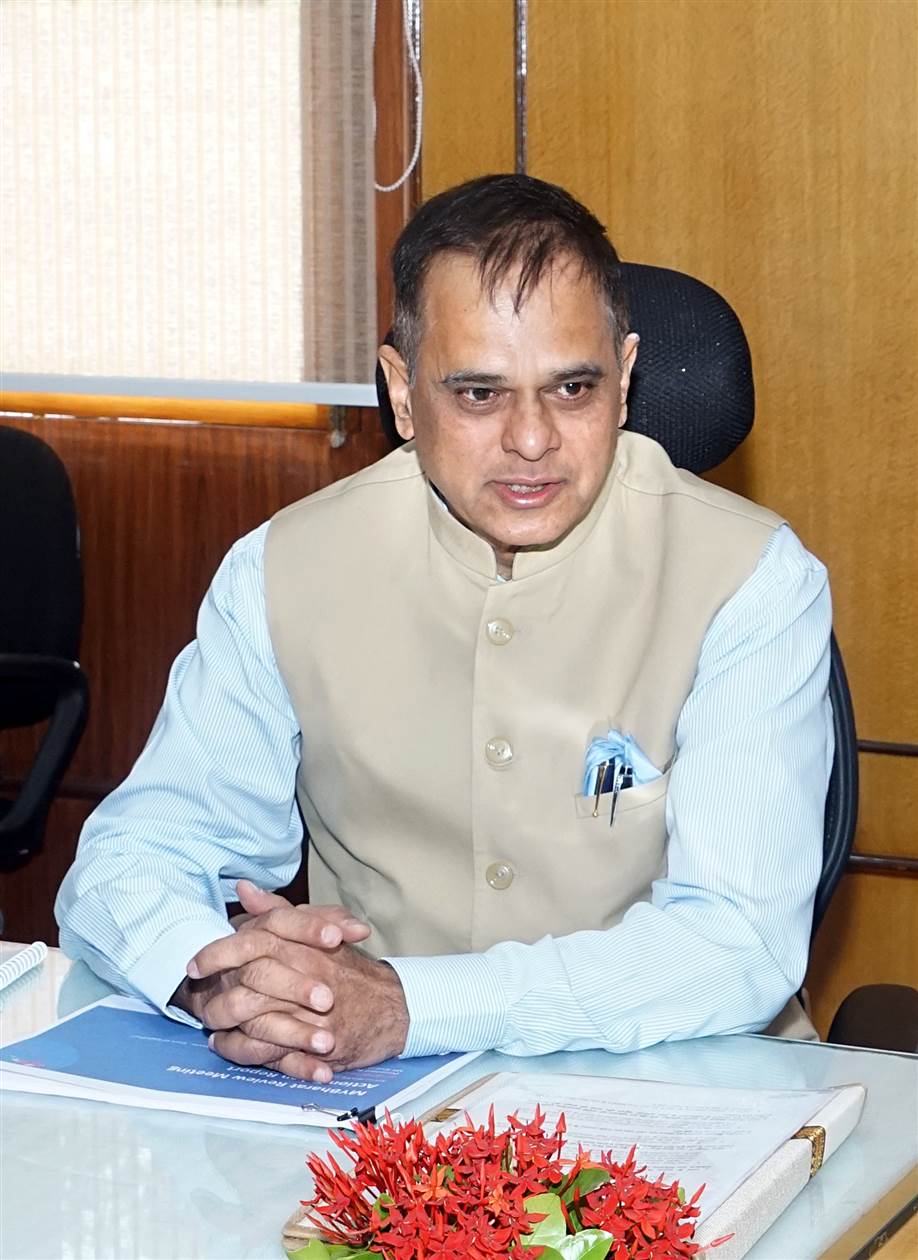
Karnataka’s Minister for Information Technology and Biotechnology, Priyank Kharge, welcomed the agreement and described the partnership as a step toward strengthening India’s critical mineral capabilities. He noted that localisation of strategic resources supports the national objective of reducing import dependence and achieving technological self‑reliance in emerging sectors.
Battery recycling and mineral refinement have become increasingly crucial as India accelerates its transition toward electric mobility. With rising adoption of EVs, the demand for lithium, nickel, cobalt and rare earth elements continues to climb. Analysts believe integrated facilities like the one proposed by MiniMines will become key links in the domestic supply chain, allowing the country to reduce exposure to global market disruptions.
Industry experts also point to India’s broader sustainability goals, highlighting that closed‑loop recycling systems reduce environmental impact while securing material availability for long‑term manufacturing needs. The project is expected to contribute to a circular economy framework by extracting valuable elements from spent batteries rather than relying solely on mined sources.

The upcoming plant will position Karnataka as a strategic hub for critical minerals processing as the state continues expanding its clean‑energy industrial base. Bengaluru already hosts several advanced manufacturing and research clusters focused on EVs, renewable technologies and aerospace engineering — making the city a natural fit for such a facility.
Construction and commissioning timelines are expected to be announced in the coming months, with the facility planned to scale operations as market and supply‑chain requirements grow. Once completed, the refinery is projected to become a strong backbone for India’s EV manufacturing sector, which is seeing significant growth driven by national decarbonisation targets and rising consumer adoption.
The initiative is being viewed as a major push toward building a greener, technology‑driven manufacturing ecosystem and reinforcing India’s capabilities in critical mineral availability at a pivotal moment for the energy transition.