Washington: US President Donald Trump is considering the option of a limited military strike against Iran in an effort to compel Tehran to agree to a nuclear deal, according to a report by The Wall Street Journal.
The newspaper, citing individuals familiar with the matter, reported that Trump is weighing an initial, narrowly targeted strike aimed at increasing pressure on Iran without escalating into a broader conflict. The potential action would reportedly focus on select military or government installations.
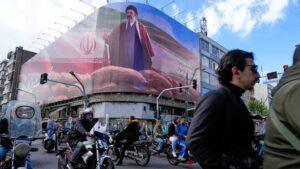
Sources quoted in the report indicated that if Iran does not respond by meeting Washington’s demand to halt nuclear enrichment, the United States could expand its military campaign to target additional regime facilities. One individual told the newspaper that the strategy could involve a gradual escalation, beginning with limited strikes and intensifying if Tehran refuses to dismantle its nuclear activities.
President Trump has signalled that a decision could be imminent. Speaking on Thursday, he said, “We’re going to make a deal or get a deal one way or the other.” At a separate appearance in Washington, he remarked, “Maybe we’re going to make a deal. Maybe not,” adding that clarity could emerge within “the next, maybe, 10 days.” He later described the timeframe as “10 to 15 days, pretty much, maximum.”
White House spokeswoman Anna Kelly declined to comment on specific military options. She told The Wall Street Journal that only the President knows what course of action he may or may not take.

In a separate report, The Washington Post stated that the US administration appears prepared for a more extended military operation against Iran as the Pentagon increases its military presence in the Middle East. According to officials cited by the newspaper, the aircraft carrier USS Gerald R. Ford and accompanying warships are moving closer to the region. US forces in the area are expected to be fully positioned by mid-March.
Daniel B. Shapiro, a former US ambassador to Israel, told The Washington Post that the United States, with support from Israel, would hold a significant military advantage over Iran in the event of joint action. However, he cautioned that the situation could still carry serious risks.
“They’ll definitely take terrible damage from combined US-Israeli strikes,” Shapiro said. “But that doesn’t mean it ends quickly, or clean — and they do have some ability to impose some costs in the other direction.”
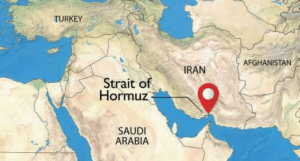
Iran’s Supreme Leader Ali Khamenei responded with strong warnings. He stated that Iranian forces could target US military assets, including aircraft carriers. In remarks reported publicly, Khamenei said Iran could strike American forces “so hard that it cannot get up again.”
In another message, he said that while a warship is a powerful piece of military hardware, the weapon capable of sending it “to the bottom of the sea” poses an even greater threat.
Despite rising tensions, diplomatic discussions between the two sides remain ongoing. White House press secretary Karoline Leavitt said negotiations had yielded “a little bit of progress,” though she acknowledged that significant differences persist. She added that Iranian officials are expected to provide further details in the coming weeks.
Iran has consistently maintained that it does not seek to develop nuclear weapons and asserts that its uranium enrichment programme is intended for civilian purposes.
Tensions between Washington and Tehran have remained high since the United States withdrew from the 2015 nuclear agreement during Trump’s first term. Subsequent sanctions and intermittent confrontations have contributed to concerns about the potential for broader instability in the Middle East.