New Delhi: India and the European Union on Tuesday formally announced the conclusion of what leaders from both sides described as the “mother of all trade deals,” marking a major milestone in their economic relationship. The agreement establishes one of the world’s largest combined markets, bringing together nearly two billion consumers and representing the most extensive trade opening India has ever granted to a single partner.
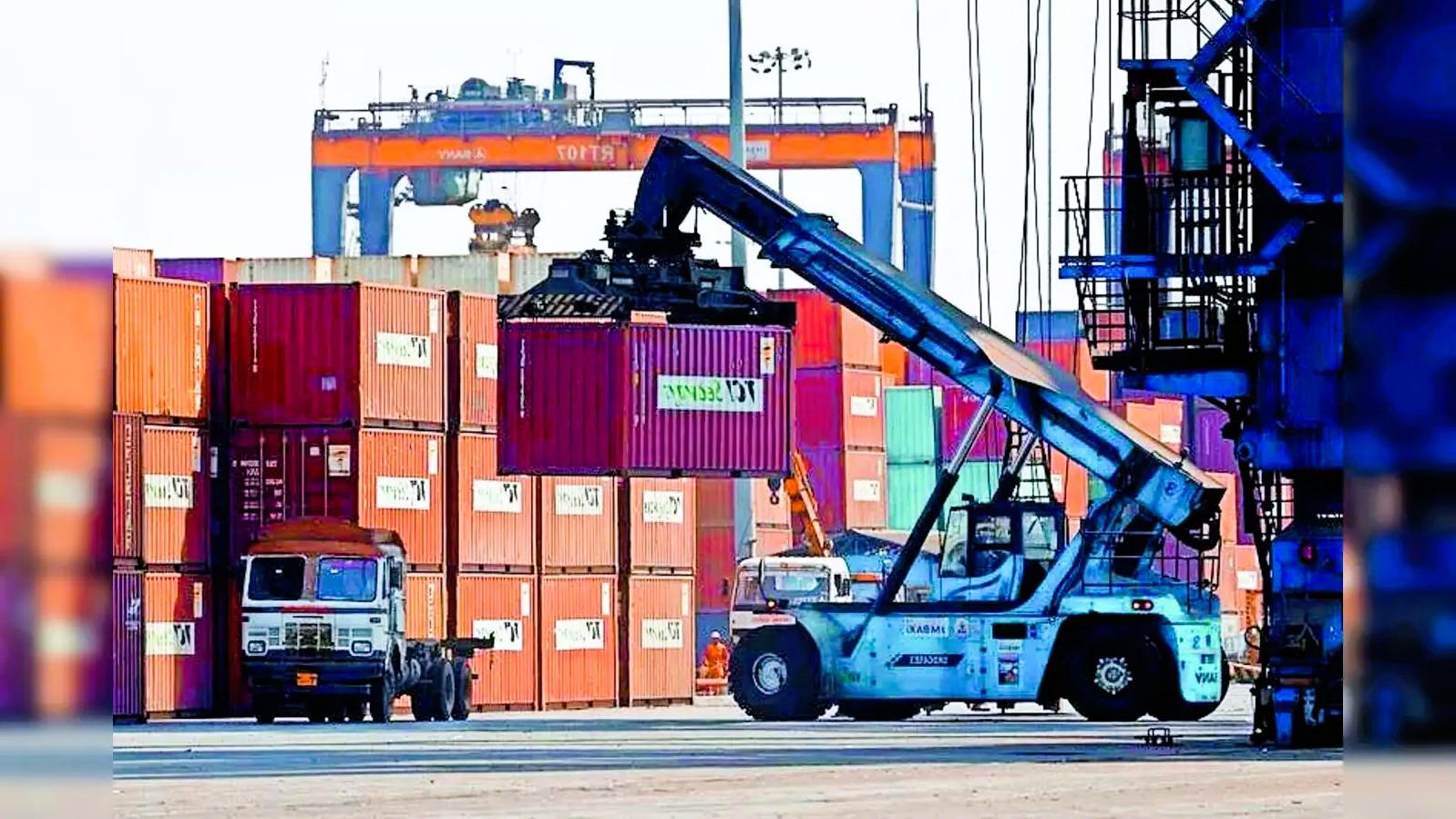
The deal comes after 18 years of prolonged and complex negotiations, reflecting the scale and ambition of the agreement. Once fully implemented, it will eliminate tariffs on 97 per cent of goods traded between India and the European Union, a move expected to provide a significant boost to Indian exports while expanding market access for European companies.
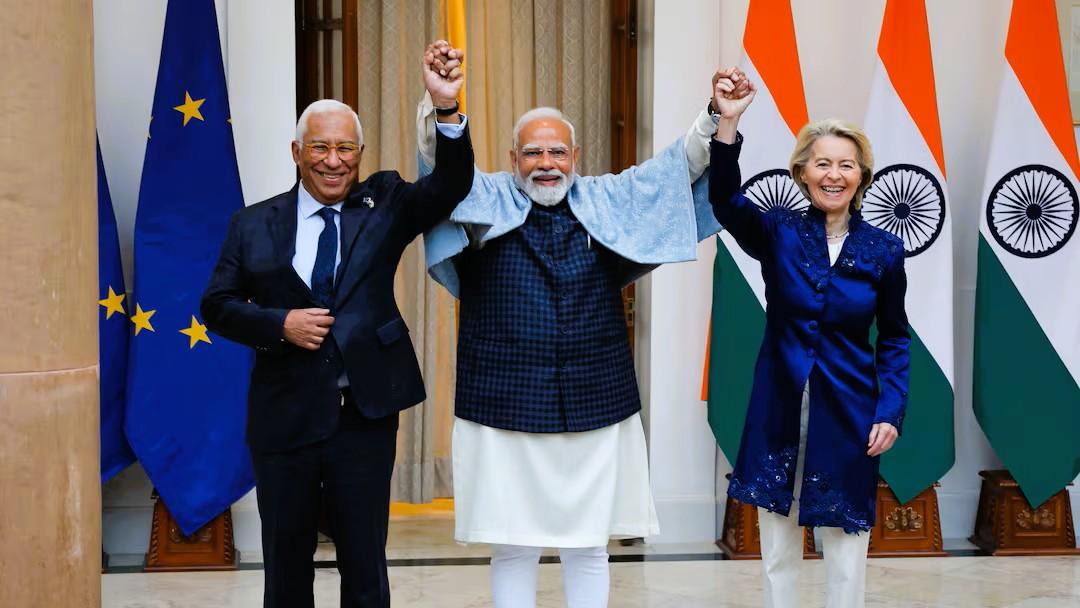
The agreement was officially unveiled in New Delhi by Narendra Modi, alongside Ursula von der Leyen and Antonio Costa. Leaders from both sides highlighted the deal as a turning point in India–Europe relations and a demonstration of their commitment to economic cooperation.
According to the announced framework, the agreement will enter into force next year, with tariff reductions being implemented gradually over a phased timeline. From the very first day of implementation, the European Union will remove import duties on 90 per cent of goods originating from India. In return, India has committed to granting duty-free access to 93 per cent of European Union goods over a period of ten years.
Officials said the scale of tariff liberalisation under the agreement is unprecedented for India and reflects the depth of trust built between the two sides. By substantially lowering trade barriers, the pact is expected to make Indian products more competitive in European markets while also giving Indian consumers and businesses greater access to European goods.

European officials noted that the agreement would result in significant cost savings for exporters from the bloc. It is estimated that European companies will save nearly €4 billion annually once the deal is fully operational. These savings are expected to strengthen trade flows and encourage deeper commercial engagement between businesses on both sides.
Beyond trade in goods, leaders emphasised that the agreement also aims to reinforce broader cooperation between India and Europe. Officials said the partnership would extend to areas such as security and defence, as well as the mobility of Indian professionals, signalling a wider scope of collaboration beyond purely economic considerations.
Prime Minister Modi described the agreement as a step that would contribute to strengthening global stability at a time when the world economy is facing uncertainty. He said closer ties between India and the European Union would send a strong signal in favour of cooperation and shared growth.

European leaders echoed similar sentiments, underlining that cooperation remains the most effective response to global challenges. They stressed that the deal reflects a shared belief in open markets, mutual benefit, and constructive engagement rather than coercive approaches.
With its vast coverage and long-term implementation plan, the India–EU trade agreement stands as one of the most significant economic accords concluded by either side in recent years. As both partners prepare for its rollout next year, the focus will now shift to ensuring a smooth and timely execution of the commitments outlined in the pact.